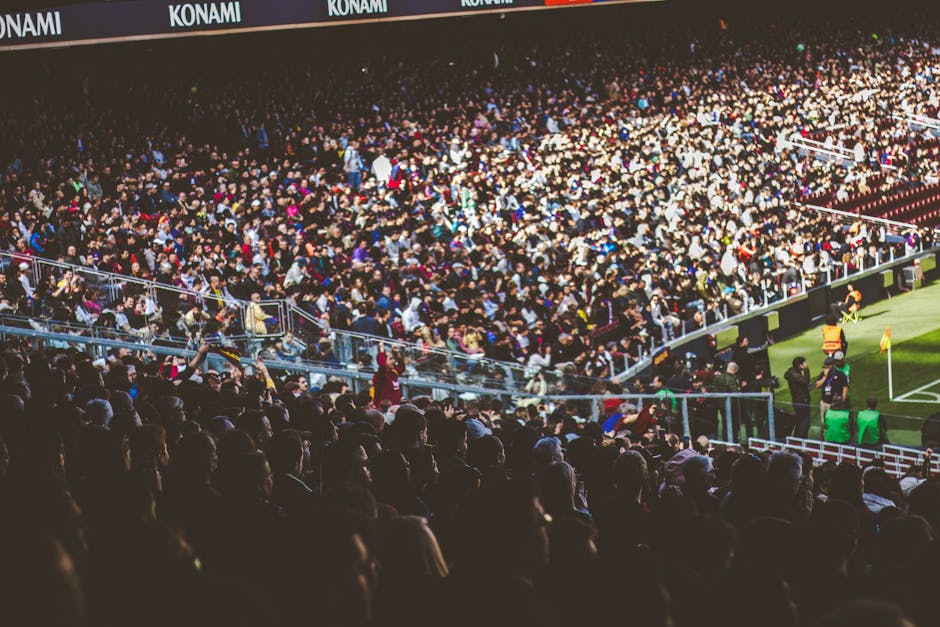
Saudi Arabia's sovereign wealth fund and its affiliated entities have committed an estimated $12 billion to professional sports since 2020, according to analysis by Sportico and The Wall Street Journal. The investments span football, golf, boxing, MMA, tennis, motorsports, esports, and horse racing. The scale of the spend has fundamentally reshaped how the commercial infrastructure of global sports operates.
The Public Investment Fund (PIF) — the kingdom's $925 billion sovereign wealth fund — remains the primary investment vehicle. PIF-controlled subsidiaries Turki Al-Sheikh's Riyadh Season, the Saudi Sports Boulevard, and LIV Golf have become ubiquitous names in international sports media. The long-term strategy, articulated by Crown Prince Mohammed bin Salman, places sports at the center of the kingdom's Vision 2030 economic diversification plan.
Football: The Pro League Investment
The Saudi Pro League's acquisition spree, initiated in June 2023, has produced the single largest footballer transfer boom in history. Cristiano Ronaldo's Al-Nassr contract, worth an estimated $200 million annually including endorsements, set the upper benchmark for competitive salaries. Subsequent signings — Karim Benzema, Neymar, N'Golo Kante, Sadio Mane and Jordan Henderson — together cost the league's four state-owned clubs more than $1.8 billion in transfer fees and $1.4 billion in annual salary commitments.
The investment has not yet produced proportional competitive improvement. Al-Ittihad, the reigning Pro League champion, finished third in the 2024 AFC Champions League. Al-Hilal's squad, valued at a combined €540 million by Transfermarkt, failed to reach the 2024 Club World Cup quarterfinal. Analytical models suggest the Saudi Pro League's playing strength remains approximately 60 percent of the top-four European leagues.
LIV Golf and the PGA Tour Merger
The PIF's LIV Golf initiative, launched in 2022 with $2 billion in initial funding, has split professional golf. The framework agreement between the PGA Tour and LIV Golf, announced in June 2023, remains unfinalized as of March 2026. The announced deal would unify the two circuits under a single tour structure but has faced regulatory complications, including U.S. Department of Justice antitrust review and player compensation disputes.
Rory McIlroy, long the PGA Tour's most vocal opponent of LIV, has since moderated his position. He told Golf Digest in January that "the golf world needs the cash, and PIF has the cash." The statement reflects the changing dynamics as the PGA Tour's revenue decline forced it to seek external capital.
Boxing and Combat Sports
Turki Al-Sheikh, chairman of the General Entertainment Authority, has become the most influential single figure in professional boxing. Riyadh Season has hosted more than 20 major boxing events since 2023, with purses exceeding $50 million per card on seven occasions. The kingdom's 2026 budget allocates $500 million specifically for boxing events at three dedicated venues in Riyadh and Diriyah.
The UFC's Saudi partnership includes a minimum of four Riyadh-hosted events annually through 2029, per TKO Group's public filings. The 2024 UFC 308 event at Etihad Arena in Abu Dhabi — technically outside the kingdom — generated $15.8 million in live-gate revenue. Dana White has publicly supported the expanded Saudi presence, citing the kingdom's "commitment to combat sports infrastructure."
Tennis and the ATP Tour
The Public Investment Fund became an equity investor in the ATP Tour in October 2024, purchasing a 10 percent stake for approximately $185 million. The investment gave the ATP access to PIF's capital while granting the Saudi entity board representation. Critics raised concerns about governance implications; ATP chairman Andrea Gaudenzi defended the transaction as essential to the tour's financial sustainability.
The kingdom will host the ATP Finals from 2025 through 2028 at King Saud University Stadium in Riyadh. The 2024 tournament's total purse of $15.25 million was the highest in ATP history and an increase of 47 percent from the previous year. Novak Djokovic, who played in the Riyadh event, said he was "encouraged" by the kingdom's investment in the sport.
Formula 1 and the Future
The Jeddah Corniche Circuit has hosted the Saudi Arabian Grand Prix since 2021 under a 10-year, $900 million contract with Formula 1. The kingdom has reportedly begun discussions with F1 for a second Saudi race by 2028, potentially at a new street circuit in Qiddiya — a purpose-built entertainment development outside Riyadh.
Aramco, the Saudi state oil company, remains an official Formula 1 sponsor through its "Performance Fuels" partnership. Aramco also serves as the title sponsor for three F1 races: the British, Hungarian and Spanish Grands Prix. The company's annual F1 spending is estimated at $300 million, per Forbes reporting.
Economic Returns
The direct economic returns of Saudi Arabia's sports investments have been limited relative to the capital committed. Tourism from sports events, while rising, has not yet offset the fiscal outlay. The kingdom hosted 14.2 million international tourists in 2024, well above the 2019 level of 4.8 million but still short of the Vision 2030 target of 150 million annual tourists by 2030.
Public criticism of the investments within Saudi Arabia has remained muted but not absent. Opposition voices in exile, particularly those on social media platforms, have questioned the prioritization of sports investment over domestic infrastructure. The kingdom has maintained that the long-term brand benefits will justify the spending.
Governance and Ethics
Human rights organizations, including Amnesty International and Human Rights Watch, have consistently criticized Saudi Arabia's use of sports as reputational diplomacy. The term "sportswashing" — the use of sports partnerships to deflect attention from human rights concerns — has become common shorthand in Western media. Saudi officials have pushed back, with PIF governor Yasir Al-Rumayyan arguing that the investments are "pure business decisions."
The debate has influenced several potential partnerships. Arsenal declined a reported €250 million Saudi Tourism sponsorship in 2024 following internal club discussions about reputational risk. Manchester United's owners, the Glazer family, also declined a Saudi investment overture in August 2024. The reluctance of some major Western clubs has not slowed the kingdom's overall investment pace.