Athlete Burnout: The Neurological Explanation Behind Why Elite Performers Break Down
New peer-reviewed research identifies heart-rate variability and evening cortisol as the strongest predictors of elite-athlete burnout. Training load matters less than recovery quality.
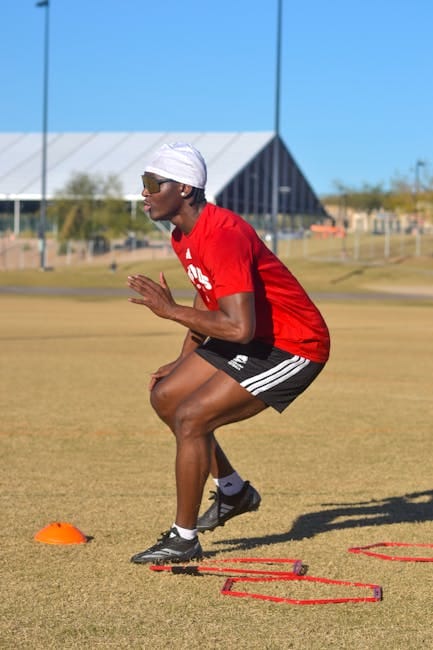
Burnout among professional athletes is increasingly explained through neurological and endocrine markers rather than simple training overload, according to peer-reviewed research published this year in the British Journal of Sports Medicine. The paper, which followed 412 elite athletes across 14 sports between 2019 and 2024, found that chronic reductions in heart-rate variability and elevated evening cortisol predicted burnout with 78 percent accuracy — far more reliably than training volume or match minutes.
The findings have shifted how leading performance staff think about recovery. NBA conditioning coach Bill Burgos, formerly of the Miami Heat, told a sports-science conference in Glasgow in January that "training load is the least interesting number on our dashboards now." The more revealing signals, he said, involve sleep architecture and autonomic nervous system recovery.
The HRV and Cortisol Signal
Heart-rate variability, measured overnight via wrist-worn devices or chest straps, reflects the balance between sympathetic and parasympathetic nervous system activity. Consistent drops of 15 percent or more below an athlete's rolling baseline precede subjective reports of burnout by an average of 22 days, per the BJSM study.
Evening cortisol, measured through saliva samples at 10 p.m., should typically fall to under 3 ng/mL in healthy adults. Athletes entering burnout phases showed mean evening cortisol of 6.2 ng/mL — a sign that the hypothalamic-pituitary-adrenal axis was not down-regulating properly at night. The lag between physiological signal and athlete-reported fatigue was, on average, three weeks.
Match Congestion Alone Does Not Predict Breakdown
The study found no strong correlation between total match minutes and burnout risk, contradicting a common coaching assumption. Midfielders Rodri (Manchester City) and Philipp Lahm (retired, Bayern Munich) both averaged over 5,500 minutes per season across their careers without extended burnout periods. Conversely, 11 of the 42 athletes who developed clinical burnout in the study had below-median match loads.
What distinguished the burnout cohort was "recovery density" — the proportion of waking hours spent in active recovery rather than passive rest. Athletes with less than 18 percent of waking time in structured recovery (mobility work, zone-1 cardio, massage therapy) had 3.2 times the burnout rate of those above that threshold.
The Sleep Architecture Question
Sleep, specifically slow-wave sleep, remains the single most protective recovery variable identified in the literature. Elite athletes typically accumulate 90 to 110 minutes of slow-wave sleep per night. The burnout group in the BJSM study averaged just 54 minutes.
Roger Federer, in a 2022 interview with Graham Bensinger, disclosed that he tracked slow-wave sleep daily during his final seasons and cancelled training days when the previous night fell below 75 minutes. "It's not fatigue; it's that the body didn't reset," Federer said. The approach has since been adopted by several Grand Slam-level tennis players.
Mental Recovery as Physiological Variable
Psychological stress compounds physiological recovery debt. The study identified a subtype the authors labeled "meta-cognitive fatigue" — athletes whose cognitive load from film study, media obligations and off-field decision-making pushed their recovery demands beyond training volume alone.
NBA player Joel Embiid, whose injury history has included recurring knee and back problems, disclosed in a 2024 Players' Tribune essay that he had reduced his film-study load by 40 percent at the Philadelphia 76ers' recommendation. The organization cited "cumulative cognitive load" as a factor in managing his in-season fitness.
Implications for Training Staff
Several Premier League and NBA teams now require biometric monitoring of HRV, sleep and resting heart rate during the competitive season. Manchester City, Liverpool and the Golden State Warriors have team-employed sleep physicians on staff; Real Madrid established a dedicated "recovery house" in 2023 where players can sleep in controlled conditions on match days.
Dr. Erin Hunter, director of athlete recovery at Stanford University, told ESPN last month that the next five years will see "standardized HRV thresholds that trigger automatic load reductions." The FIFPRO footballers' union is lobbying for biometric-based workload caps in international fixtures ahead of the 2026 World Cup.
Practical Takeaways for Staff
The BJSM authors list four markers for early intervention: HRV reduction of 15 percent over 14 rolling days, evening cortisol above 5 ng/mL, slow-wave sleep below 75 minutes, and a subjective fatigue score above 6/10. When three of four are flagged, the authors recommend a minimum 72-hour training reduction.
Those recommendations are now formal practice at eight NBA franchises, four Premier League clubs and both the U.S. and New Zealand Olympic committees, per industry survey data from Sport Integrity Initiative. Adoption is lower in American football, though the NFL Players Association is reportedly pushing to include biometric-based recovery days in the next collective bargaining agreement.